Should I Really Encapsulate My Crawl Space?

If you’ve heard about crawl space encapsulation, you may be wondering if it’s really necessary or just another home improvement upsell. The truth is, your crawl space has a bigger impact on your home’s health, comfort, and energy efficiency than most people realize. Encapsulation is designed to solve common problems like excess moisture, mold growth, pests, and high utility bills.

In this guide, we’ll break down what encapsulation does, when it’s needed, the pros and cons, and whether it’s worth the investment for your home.

What Does Crawl Space Encapsulation Do?

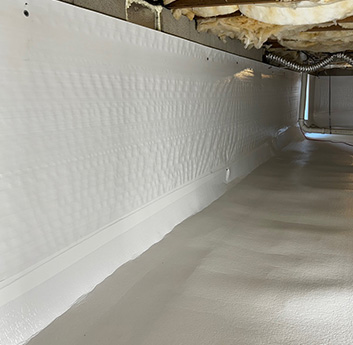
At its core, crawl space encapsulation is about creating a protective barrier between your home and the damp earth beneath it. By sealing the crawl space, you stop outside air, moisture, and pests from sneaking in.

A complete encapsulation system typically includes:

  • A thick vapor barrier on the floor and walls
  • Sealing off crawl space vents and small openings
  • Adding crawl space insulation for temperature control
  • Installing a dehumidifier or drainage system for ongoing moisture control

Signs You May Need Crawl Space Encapsulation

Not every home requires encapsulation, but if you’re noticing any of these issues, your crawl space may be causing more problems than you think.

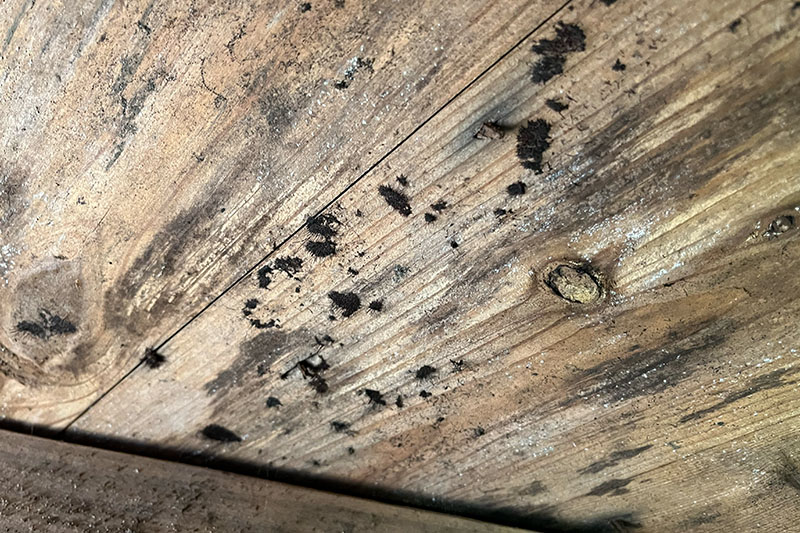
mold in crawl space

Musty Crawl Space Smell

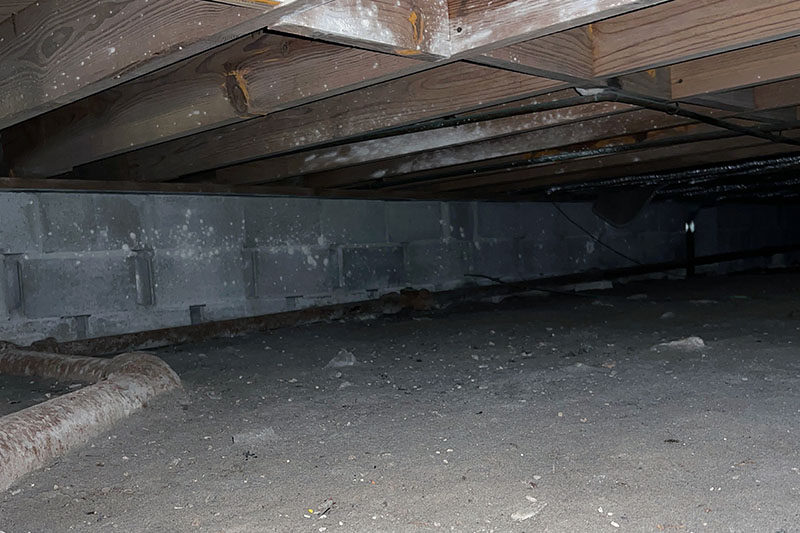
If your home has a persistent musty odor, it could be coming from crawl space mold and mildew fueled by excess moisture.

High Humidity or Condensation

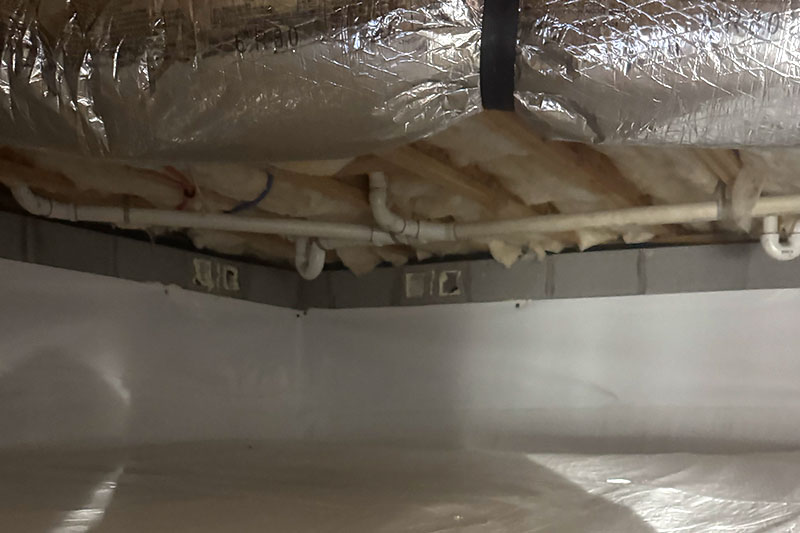
Moisture in your crawl space often shows up as condensation on ductwork, pipes, or insulation. This humidity can travel upward, making your home feel damp and uncomfortable.

Mold or Mildew Growth

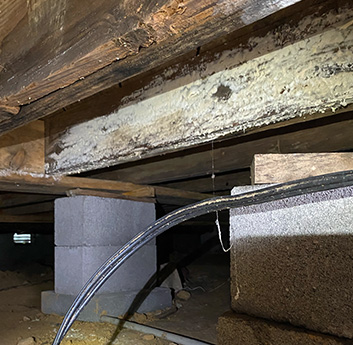
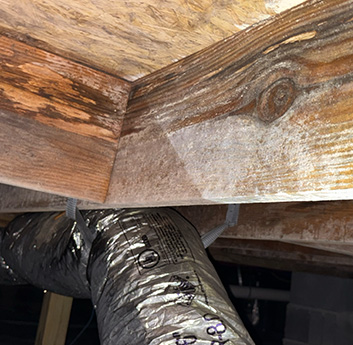
Visible mold on floor joists, insulation, or walls is a clear sign your crawl space is holding too much moisture and it could spread into your living areas.

Cold Floors or Drafts

Unsealed crawl spaces allow outside air to circulate beneath your home, leaving floors cold in the winter and making your HVAC work harder year-round.

Sagging Floors or Wood Rot

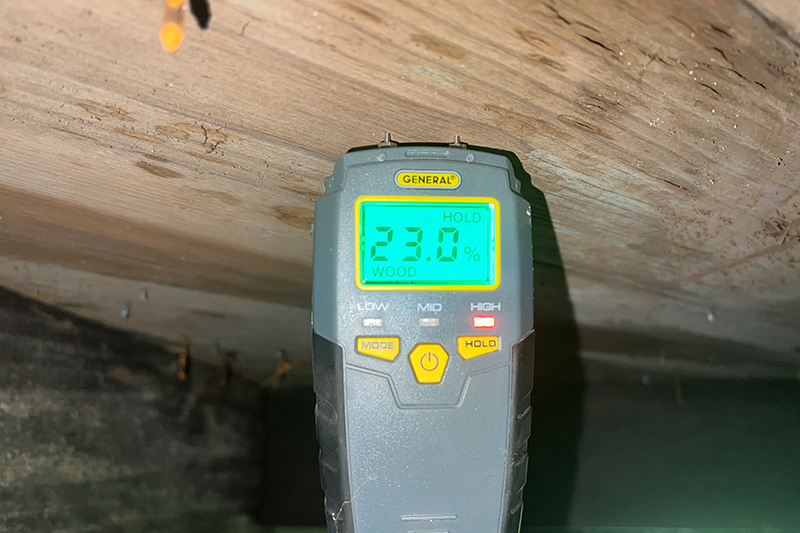
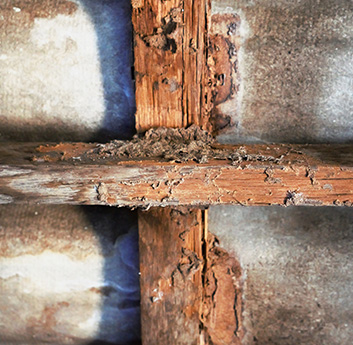
Moisture doesn’t just cause odors, it also weakens wood. If you notice soft spots or sagging floors, your crawl space may be damaging the structure of your home.

Pest Activity

Rodents, termites, and insects thrive in damp, open crawl spaces. If you’ve seen signs of pests, encapsulation can help eliminate their access points.

In short: when your crawl space has moisture problems, your whole home feels the impact. Encapsulation addresses the root cause by sealing and protecting the space.

The Benefits of Encapsulation

Choosing crawl space encapsulation comes with a range of advantages that directly improve your home’s comfort, safety, and value.

crawl space encapsulation

Cleaner, Healthier Indoor Air

Up to half of the air in your home comes from the crawl space. By sealing it, you block mold spores, allergens, and musty odors from rising into your living areas.

Protection Against Mold and Pests

Encapsulation creates an environment where mold, mildew, and pests can’t thrive. That means no more worrying about termites, rodents, or other unwanted visitors.

Improved Energy Efficiency

Sealing off your crawl space keeps outside air from entering, which helps your HVAC system run more efficiently. Many homeowners notice lower utility bills after encapsulation.

Safeguard Your Foundation and Structure

Excess moisture can weaken wooden beams, joists, and flooring over time. Encapsulation helps protect your house foundation from costly long-term damage.

Increased Home Value

Buyers see a dry, sealed crawl space as proof of a well-maintained home. Encapsulation can boost resale value and make your property more attractive on the market.

Simply put: encapsulation not only fixes current crawl space problems but also prevents new ones from developing, saving you money and stress down the road.

How Much Does Crawl Space Encapsulation Cost?

The price of crawl space encapsulation depends on several factors, but most homeowners can expect to invest a few thousand dollars in the project. While that may feel like a big upfront expense, it often saves money long term by reducing repairs, lowering energy bills, and protecting your home’s foundation.

couple review finances

Crawl Space Size

Larger crawl spaces require more vapor barrier, insulation, and labor, which increases the overall price.

Current Condition of the Crawl Space

If your crawl space already has mold, standing water, or structural damage, additional repairs or drainage may be needed before encapsulation.

Materials and Systems

High-quality vapor barriers, insulation, and crawl space dehumidifiers cost more upfront but last longer and provide better protection.

Extra Protection Options

Add-ons like sump pumps or perimeter drainage increase cost but provide peace of mind in homes with flooding or heavy groundwater.

The good news: Encapsulation pays off over time through lower utility bills, reduced repair costs, and added home value. In most cases, it’s more affordable than dealing with the long-term damage of an unprotected crawl space.

DIY vs. Professional Crawl Space Encapsulation

Some homeowners consider tackling DIY crawl space encapsulation to save money. While it’s possible to buy materials at a hardware store, the difference between DIY and professional installation is significant.

DIY Encapsulation

Lower upfront cost for materials only

Risk of poor sealing that lets moisture back in

May overlook hidden issues like mold or structural damage

Limited lifespan if thin materials are used

No warranty or guarantee

Time-consuming, physically demanding, and requires tools

professional crawl space encapsulation

Professional Encapsulation

Higher upfront cost but includes labor, expertise, and warranty

Precise sealing with heavy-duty vapor barriers and insulation

Full inspection and repair before encapsulation begins

Durable systems designed to last 20+ years

Often comes with a warranty and ongoing support

Fast, efficient installation by trained crawl space contractors

Bottom line: while DIY might seem appealing for budget reasons, professional encapsulation ensures lasting protection and peace of mind.

crawl space encapsulation

So, Is Crawl Space Encapsulation Really Worth It?

The answer is yes. Crawl space encapsulation is one of the most effective ways to protect your home from moisture, mold, pests, and rising energy bills. It not only makes your home healthier and more comfortable but also adds long-term value and peace of mind.

At DFX Foundation & Waterproofing Experts, we specialize in professional crawl space encapsulation using high-quality materials and proven installation methods. Our systems are built to last, backed by warranties, and tailored to protect your home’s unique needs.

Don’t wait for moisture or mold to cause expensive damage. Contact DFX today to schedule your crawl space inspection and discover how encapsulation can protect your home for decades to come.


DFX Foundation and Waterproofing Experts Logo

Schedule Your Free Evaluation with Our Consultants Today!

Schedule Free Evaluation


Other Blogs You May Be Interested In


Continue reading

Your Questions About Crawl Space Encapsulation, Answered

If you’ve ever noticed moisture, musty odors, or mold creeping into your home, your crawl space may be to blame. That’s where crawl space encapsulation comes in to fix the issue. Encapsulation seals off your crawl space with a durable vapor barrier, insulation, and other protective measures designed to control moisture and improve air quality.

Homeowners often have plenty of questions before investing in encapsulation: Is it worth the cost? How long does it last? Can I do it myself? In this guide, we’ll answer the most common crawl space encapsulation questions so you can make the best decision for your home, health, and budget.

crawl space encapsulation

What Is Crawl Space Encapsulation?

At its core, crawl space encapsulation is a process that transforms a damp, exposed crawl space into a clean, sealed, and controlled environment. The goal is simple: stop outside moisture and air from entering while protecting your home from the ground up.

Encapsulation typically involves:

  • Installing a crawl space vapor barrier along the floor and walls
  • Sealing off vents and small openings to block humid outside air
  • Adding crawl space insulation to regulate temperature
  • Using a dehumidifier or drainage system for long-term moisture control

Think of the difference this way:

  • Before encapsulation: exposed dirt floors, damp air, musty odors, and a breeding ground for mold and pests.
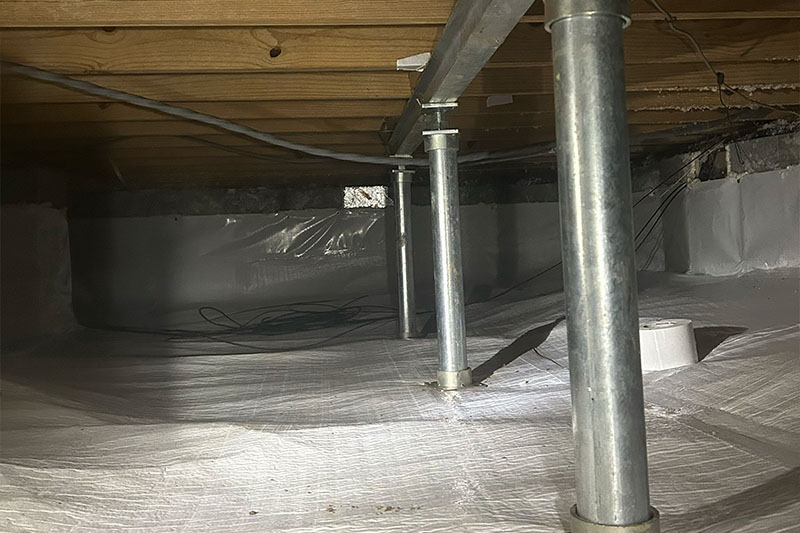
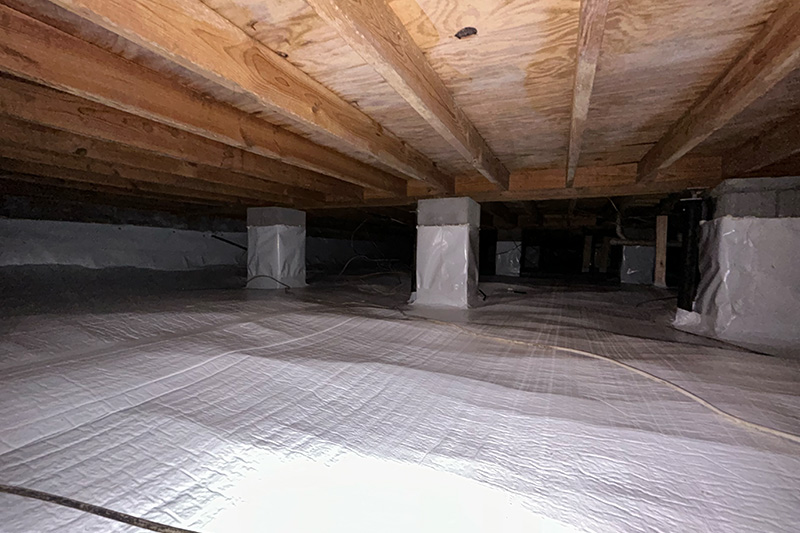
  • After encapsulation: a bright, dry, and sealed space with cleaner air, lower humidity, and stronger protection for your home’s foundation.

By creating this protective barrier, encapsulation helps prevent mold growth, improves indoor air quality, and reduces strain on your heating and cooling system. In short, it keeps your crawl space dry, healthy, and efficient.

Why Is Crawl Space Encapsulation Important?

Your crawl space may be out of sight, but it has a direct impact on your home’s health, comfort, and even your energy bills. Without protection, crawl space moisture seeps into the air and structure above, creating problems that only get worse over time.

checking air quality in crawl space

Stop Moisture and Mold in Their Tracks

A damp crawl space is the perfect environment for crawl space mold and mildew, which can spread to your walls and floors. Encapsulation locks out moisture before it causes costly damage.

Keep Pests Out of Your Crawl Space

Exposed soil and humidity attract pests like termites, rodents, and insects. A sealed crawl space removes the dampness and entry points pests love.

Improve Your Indoor Air Quality

Nearly half of the air in your home comes from the crawl space. If that air is musty or moldy, you’re breathing it in every day. Encapsulation ensures the air entering your home is cleaner and healthier.

Make Your Home More Energy Efficient

When humid outside air constantly enters through vents, your HVAC system works overtime. Encapsulation helps regulate temperature and airflow, lowering monthly utility bills.

Protect the Structure of Your Home

Excess moisture weakens wooden beams, joists, and flooring. By controlling humidity, encapsulation safeguards your foundation and prevents costly repairs.

Does Crawl Space Encapsulation Increase Home Value?

If you’re thinking about the return on investment, the answer is yes. Crawl space encapsulation can increase home value. Buyers and inspectors see a sealed crawl space as proof that a home has been well cared for and protected against future problems.

couple buying home

A Selling Point During Home Resale

Encapsulation gives potential buyers peace of mind. A dry, encapsulated crawl space tells them they won’t have to worry about mold, pests, or hidden foundation issues. This can help your home stand out in competitive real estate markets.

Lower Repair and Maintenance Costs

By preventing water damage, wood rot, and pest infestations, encapsulation reduces the likelihood of expensive repairs. Protecting your house foundation with moisture control saves money long term — a value buyers recognize.

Energy Savings That Add Up

When your crawl space is sealed, your HVAC system runs more efficiently. This means lower energy bills every month, which is another selling point for prospective buyers looking for cost-effective homes.

In short: encapsulation is both a practical upgrade for your family now and an investment in your home’s future value.

What Are the Pros and Cons of Crawl Space Encapsulation?

Like any home improvement project, crawl space encapsulation has both advantages and drawbacks. Understanding both sides will help you make an informed decision.

Pros

Creates a dry, healthy crawl space environment

Prevents moisture, mold, and mildew

Blocks pests and insects from entering

Improves indoor air quality

Enhances energy efficiency and reduces utility bills

Protects the house foundation and structure from rot and decay

Can increase home value and appeal to buyers

mold in crawl space

Cons

Upfront installation cost can be significant

Some systems require ongoing dehumidifier maintenance

DIY installation is risky and often ineffective

May require additional drainage solutions if your crawl space already floods

Not a quick “one-day fix” — best results require professional installation

Bottom line: the benefits far outweigh the drawbacks when encapsulation is done by professionals. While the upfront cost may feel high, it pays for itself in long-term protection, energy savings, and peace of mind.

How Long Does Crawl Space Encapsulation Last?

One of the biggest benefits of crawl space encapsulation is its longevity. When done correctly, encapsulation can protect your home for decades.

crawl space encapsulation

Lifespan of Encapsulation Systems

A properly installed vapor barrier and insulation system can last 20 years or more. High-quality materials resist tears, moisture damage, and deterioration, making this a long-term solution rather than a temporary fix.

Warranty and Professional Installation

Many professional encapsulation systems come with warranties that guarantee performance for a set number of years. Choosing a qualified contractor ensures the work is done right — which extends the life of the system.

Maintenance Requirements

Encapsulation is low-maintenance, but not maintenance-free. A crawl space dehumidifier may need periodic servicing, and it’s wise to have your crawl space inspected every couple of years to ensure seals and barriers remain intact.

Think of it this way:

  • Without encapsulation: ongoing repairs, repeated pest treatments, and constant HVAC strain.
  • With encapsulation: decades of protection with only minimal upkeep.

How Much Does Crawl Space Encapsulation Cost?

The cost of crawl space encapsulation can vary widely depending on the size and condition of your crawl space, as well as the materials and add-ons you choose. On average, homeowners can expect to invest several thousand dollars, but the long-term savings on energy bills and repairs often outweigh the initial expense.

couple discussing finances

Factors That Affect Encapsulation Cost

  1. Crawl Space Size
    Larger crawl spaces require more vapor barrier material, insulation, and labor, which increases the total cost.
  2. Existing Crawl Space Condition
    If your crawl space has standing water, mold, or structural issues, repairs or drainage may be needed before encapsulation.
  3. Type of Materials Used
    Thicker vapor barriers, high-performance insulation, and commercial-grade dehumidifiers cost more upfront but last longer.
  4. Additional Systems
    Add-ons like sump pumps, perimeter drains, or crawl space dehumidifiers will raise the price but provide added protection.

Is Crawl Space Encapsulation Affordable?

While the upfront cost may feel high, encapsulation can save thousands over time by:

  • Reducing energy bills
  • Preventing costly foundation and mold repairs
  • Increasing resale value of the home

Can I Encapsulate My Crawl Space Myself?

It’s natural to wonder if DIY crawl space encapsulation is possible. While some homeowners attempt it, there are major differences between a weekend project and a professional installation.

DIY Encapsulation

Lower upfront cost for materials only

Risk of improper sealing that lets moisture and pests back in

May overlook hidden issues like mold, wood rot, or drainage problems

Limited lifespan if cheap materials are used
No warranty or guarantee

Time-consuming, physically demanding, and requires special tools

crawl space without encapsulation

Professional Encapsulation

Higher upfront cost but includes labor, warranties, and expertise

Precise installation ensures vapor barriers, insulation, and sealing are airtight

Pros inspect and repair underlying problems before encapsulating

Durable systems designed to last 20+ years

Often comes with a warranty and ongoing support

Efficient installation by a trained crawl space contractor

Common Questions About Crawl Space Encapsulation

  • Will Crawl Space Encapsulation Stop Odors?

    Yes. By sealing out moisture and mold, encapsulation eliminates the musty crawl space smell that often seeps into living areas.

  • Do I Still Need a Dehumidifier After Encapsulation?

    Yes. A crawl space dehumidifier helps regulate humidity year-round and ensures your encapsulated crawl space stays dry.

  • Can I Use My Crawl Space for Storage After Encapsulation?

    Yes, once it’s sealed, your crawl space becomes clean and dry enough for safe storage of seasonal items, tools, and household goods.

  • Does Crawl Space Encapsulation Help With Radon?

    Encapsulation can reduce radon levels by sealing off soil gases, but it is not a complete solution. In high-radon areas, a dedicated radon mitigation system may still be needed.

  • How Long Does the Installation Take?

    Most professional encapsulations can be completed in a few days, depending on the size of the crawl space and any repairs needed beforehand.

  • Is Crawl Space Encapsulation Permanent?

    With professional installation and routine maintenance, encapsulation can last 20 years or more, making it one of the most permanent moisture control solutions available.

Is Crawl Space Encapsulation Worth It?

crawl space encapsulation

Absolutely. When you add up the benefits such as a healthier home, lower energy bills, protection against mold and pests, and even increased property value, it’s clear that crawl space encapsulation is one of the smartest investments a homeowner can make.

At DFX Foundation & Waterproofing Experts, we’ve helped countless homeowners transform damp, musty crawl spaces into clean, sealed, and efficient environments. Our team uses professional-grade materials, proven installation methods, and industry-leading warranties so you can trust your investment will last.

Don’t wait until moisture damage or mold becomes a costly repair. Contact DFX today to schedule your crawl space inspection and see how encapsulation can protect your home and your family for the long term.


DFX Foundation and Waterproofing Experts Logo

Schedule Your Free Evaluation with Our Consultants Today!

Schedule Free Evaluation


Other Blogs You May Be Interested In


Continue reading

Crawl Space Encapsulation vs. Vapor Barrier: What’s the Difference and Which Do You Need?

When it comes to protecting your home from moisture damage, your crawl space plays a bigger role than you might think. Left untreated, excess humidity, standing water, or poor ventilation in this area can lead to mold growth, structural damage, and higher energy bills. Two of the most common solutions homeowners hear about are crawl space encapsulation and vapor barriers, but while they sound similar, they’re not the same thing. Knowing the difference will help you choose the right approach to safeguard your home for the long term.

What Is Crawl Space Encapsulation?

    Crawl space encapsulation is a comprehensive moisture-control solution designed to completely seal your crawl space from outside elements. This process involves installing a heavy-duty vapor barrier along the floors, walls, and sometimes even the ceiling of your crawl space, paired with airtight crawl space doors and vent covers. A dehumidifier is often added to maintain proper humidity levels year-round.

    By fully enclosing the area, crawl space encapsulation turns your crawl space into a controlled environment. This helps prevent mold, mildew, and wood rot while also protecting your home’s structural integrity. Homeowners often notice added benefits, such as improved indoor air quality, fewer musty odors, and lower energy bills since their HVAC system doesn’t have to fight against excess moisture.

    What Is a Vapor Barrier?

    A vapor barrier is a simpler, more limited solution compared to encapsulation. It usually consists of a sheet of plastic or polyethylene material that is laid across the floor of your crawl space to help reduce ground moisture from evaporating into the air. While a vapor barrier can be effective at slowing down some moisture, it doesn’t seal off walls, vents, or other openings.

    Because of this, a vapor barrier alone doesn’t provide full protection against high humidity, standing water, or outside air intrusion. It’s often considered a “good first step,” but without additional crawl space waterproofing measures, it may not stop mold growth, musty odors, or structural damage from developing over time.

    Crawl Space Encapsulation vs. Vapor Barrier: Key Differences

    While both options aim to control moisture, there are some key distinctions every homeowner should understand before making a decision.

    Coverage

    • Encapsulation: Seals the entire crawl space, including floors, walls, and vents.
    • Vapor Barrier: Covers only the crawl space floor.

    Protection Level

    • Encapsulation: Creates a controlled environment that prevents moisture, pests, and outside air from entering.
    • Vapor Barrier: Offers partial moisture control but doesn’t block air infiltration or humidity from walls and vents.

    Long-Term Effectiveness

    • Encapsulation: Provides lasting protection and often includes dehumidification for optimal results.
    • Vapor Barrier: May need frequent repairs or upgrades and doesn’t address all underlying issues.

    Added Benefits

    • Encapsulation: Improves indoor air quality, reduces energy costs, and protects structural components.
    • Vapor Barrier: Minimizes ground moisture but delivers fewer overall benefits.

    When a Vapor Barrier May Be Enough

    In some cases, a vapor barrier might be a reasonable choice. If your crawl space has minimal moisture, no history of flooding, and good ventilation, installing a barrier on the ground can help reduce dampness rising from the soil. This option is often used in homes where the crawl space is rarely accessed and where the goal is basic moisture reduction rather than full climate control.

    However, it’s important to keep in mind that a vapor barrier is not a one-size-fits-all solution. If you notice signs of mold, musty odors, or standing water, a barrier alone will likely fall short. Homeowners who choose this route should also plan for regular inspections and possible upgrades down the road.

    When Crawl Space Encapsulation Is the Better Choice

      For most homeowners, crawl space encapsulation is the superior option because it delivers long-term protection and addresses more than just ground moisture. If your crawl space has recurring dampness, visible mold, musty odors, or structural damage like sagging floors, encapsulation is the best way to stop problems at the source.

      Encapsulation is also ideal if you plan to stay in your home long term. Beyond protecting your foundation and wood framing, it improves your home’s overall energy efficiency and indoor air quality. Families with allergies or respiratory issues especially benefit, since sealing the crawl space prevents mold spores and allergens from circulating into living areas.

      How to Decide Which Option You Need

      Choosing between a vapor barrier and full crawl space encapsulation depends on the specific conditions of your home. Here are a few questions to guide your decision:

      How Severe Is the Moisture Problem?

      • Occasional dampness without visible damage may be managed with a vapor barrier.
      • Persistent humidity, standing water, or mold growth usually calls for encapsulation.

      What’s Your Long-Term Goal?

      • If you just want a short-term improvement, a vapor barrier may suffice.
      • If you want lasting protection, lower energy bills, and a healthier living space, encapsulation is the smarter investment.

      Do You Plan to Sell Your Home?

      • Encapsulation adds value to your property and can be a selling point for buyers.
      • A vapor barrier may not offer the same level of reassurance to potential homeowners.

      Since every crawl space is unique, the best way to decide is to schedule a professional inspection. A trusted expert can assess your crawl space and recommend the right solution for your home’s needs and budget.

      Work With DFX’s Crawl Space Experts

      Whether you’re dealing with occasional dampness or ongoing crawl space problems, choosing the right solution is key to protecting your home. A vapor barrier may provide basic moisture control, but crawl space encapsulation delivers long-term results, energy savings, and peace of mind.

      At DFX Foundation & Waterproofing Experts, we specialize in both solutions and can help you decide which is right for your situation. Our team provides expert Crawl Space Encapsulation, as well as Crawl Space Repair, Basement Waterproofing, and Concrete Repair services across Tennessee.

      Ready to protect your home from moisture damage? Schedule your free inspection today and let our crawl space experts create a solution built to last.


      DFX Foundation and Waterproofing Experts Logo

      Schedule Your Free Evaluation with Our Consultants Today!

      Schedule Free Evaluation


      Other Blogs You May Be Interested In


      Continue reading

      How to Tell If Your Crawl Space Needs to Be Repaired

      Your crawl space might be out of sight, but it should never be out of mind. Ignoring early signs of crawl space issues can lead to costly repairs, unhealthy indoor air, and even structural instability in your home. In this guide, we’ll walk through how to identify crawl space problems, what causes them, and why crawl space repair is critical to maintaining a safe and sound foundation.

      What Are the Common Signs Your Crawl Space Needs Repair?

      Recognizing signs of crawl space issues early can prevent serious damage. Watch for these red flags:

      Visual Clues

      If you’re inspecting the area beneath your home, here are visible signs that indicate your crawl space may be in trouble:

      • Cracks in crawl space walls or floors: These could indicate foundation movement or settlement.
      • Standing water or excessive moisture: Pools of water signal drainage problems and potential mold growth.
      • Mold or mildew growth: Mold often appears as dark spots on wood, insulation, or masonry and is a clear sign of moisture problems.
      • Rotting wood or rusting metal supports: These indicate long-term water exposure and can lead to structural damage in the crawl space.

      Ignoring these warning signs can allow damage to escalate, requiring more extensive (and expensive) crawl space repair.

      Inside the Home

      Sometimes the first clues of crawl space damage show up inside your living space:

      • Musty odors from floors or vents: Foul smells may come from mold or stagnant air beneath the home.
      • Uneven or sagging floors: When floor joists weaken, you’ll often notice dips or bounce when walking through rooms.
      • High indoor humidity levels: Moisture from the crawl space can infiltrate the home, making it uncomfortable and energy inefficient.
      • Increased allergy or asthma symptoms: Contaminants like mold spores and dust mites thrive in damp crawl spaces and enter your home via the HVAC system.

      These symptoms point to the need for repairing crawl spaces before they start affecting your family’s health and safety.

      What Causes Problems in a Crawl Space?

      Several underlying factors can contribute to crawl space damage. Understanding them helps homeowners take proactive steps toward prevention and crawl space maintenance.

      • Moisture Intrusion

        Whether from groundwater seepage, plumbing leaks, or poor drainage, excess moisture leads to mold, rot, and rust.

      • Inadequate Ventilation

        Trapped humid air raises moisture levels and encourages biological growth like mildew and mold.

      • Poor Construction or Aging

        Old homes or poorly built crawl spaces may have sagging joists or deteriorating materials over time.

      • Pest Infestations

        Rodents, termites, and insects love dark, damp environments and can destroy insulation and structural supports.

      All of these contribute to crawl space problems that often result in structural instability and health hazards. Addressing the cause is just as important as the fix.

      How Do Moisture and Mold Impact a Crawl Space?

      Crawl space moisture problems are a silent destroyer of foundations. Even small levels of water infiltration can lead to major long-term issues.

      Mold thrives in environments where humidity exceeds 60%. Once mold takes hold in your crawl space, it releases spores that travel into your living space, contributing to respiratory issues and poor indoor air quality. Mold also breaks down wooden structural components, which can compromise your floor joists and beams.

      Excessive moisture can also lead to:

      • Dry rot in wood framing
      • Rusting of metal components like support piers or HVAC ducts
      • Soil expansion, which puts pressure on foundation walls
      • Decreased insulation performance, increasing heating and cooling costs

      This is why crawl space maintenance is essential for homes in humid or flood-prone areas. Installing vapor barriers, dehumidifiers, and sump pumps can help avoid some of these issues.

      How Does Crawl Space Damage Affect Your Home?

      Once crawl space damage begins to spread, it impacts far more than just what’s underfoot. A compromised crawl space can undermine the entire structural integrity of your home.

      Structural Impact

      • Joist and beam failure: Moisture and pests weaken the floor supports, causing bounce, squeaking, or outright sagging.
      • Wall and ceiling cracks: As the crawl space shifts or settles, it can distort your home’s framing.
      • Foundation instability: Structural damage in the crawl space can lead to settlement, shifting, or bowing foundation walls.

      Interior Problems

      • Poor air quality: Mold spores, dust, and allergens get pulled up through the stack effect.
      • Energy inefficiency: Damp air requires more energy to cool or heat, raising your utility bills.
      • Pest infestations: Rodents and insects can migrate from the crawl space into walls and living areas.

      Fixing these issues quickly through proper crawl space repair can preserve your home’s safety, efficiency, and value.

      How Can You Inspect Your Crawl Space for Damage?

      You can perform a simple visual inspection of your crawl space by carefully accessing it with protective gear (gloves, mask, flashlight). Here’s what to look for:

      DIY Crawl Space Checklist:

      • Musty or damp smell: A sign of moisture or mold presence.
      • Visible mold or water stains: Often the first indicator of crawl space moisture problems.
      • Wood rot or rusting metal: Compromises your floor’s support system.
      • Cracked foundation walls: Points to shifting or settling.
      • Drooping or missing insulation: May signal pest damage or past flooding.
      • Pest droppings or nests: Rodents and insects often target crawl spaces first.

      While you can do a preliminary check, if you notice any of the above, it’s best to schedule a professional inspection. DIY repairs often miss the root causes behind crawl space damage.

      When Should You Call a Professional for Crawl Space Repair?

      If your crawl space shows any of the following conditions, it’s time to bring in a pro:

      • Recurring water or high humidity despite DIY solutions
      • Visible fungal growth or heavy mildew
      • Sagging or bouncing floors above the crawl space
      • Strong odors or health symptoms worsening in the home
      • Clear signs of structural damage in crawl space components

      A crawl space contractor like DFX Foundation & Waterproofing Experts can offer a full assessment and a custom solution. From moisture mitigation to structural reinforcement, we specialize in repairing crawl spaces and preventing long-term damage.

      What Are the Benefits of Repairing Your Crawl Space Early?

      Taking action when you first spot the signs of crawl space issues can save thousands in repair costs and offer several lasting benefits:

      • Protect your home’s foundation: Stop damage before it reaches walls, floors, or framing.
      • Improve air quality: Reduce mold and allergens for a healthier living space.
      • Prevent crawl space moisture problems: Mitigate risk with vapor barriers, drainage, and encapsulation.
      • Lower energy bills: Sealed and insulated crawl spaces reduce HVAC strain.
      • Avoid costly structural repairs: It’s cheaper to fix a sagging beam than a sunken foundation.
      • Boost resale value: Buyers want a solid, dry foundation—crawl space maintenance helps preserve home equity.

      Don’t Wait—Protect Your Home from Crawl Space Issues

      Your crawl space may be hidden, but its condition affects your entire home. If you’ve noticed any signs of crawl space issues, don’t ignore them. Contact DFX Foundation & Waterproofing Experts for a professional evaluation and trusted solutions.

      From controlling moisture to preventing structural damage, our team specializes in crawl space repair that keeps your home strong from the ground up.


      DFX Foundation and Waterproofing Experts Logo

      Schedule Your Free Evaluation with Our Consultants Today!

      Schedule Free Evaluation


      Other Blogs You May Be Interested In


      Continue reading

      A Comprehensive Guide to Crawl Space Repair

      When homeowners think about the hidden parts of their homes, the crawl space is often overlooked, until something goes wrong. Damp air, moldy smells, sagging floors, or standing water below the home can signal serious crawl space problems. These aren’t just cosmetic issues: left unaddressed, they can compromise your home’s structural integrity, indoor air quality, and energy efficiency.

      At DFX Foundation & Waterproofing Experts, we understand how confusing, frustrating, and even scary crawl space problems can feel. This guide is designed to help homeowners take control with clear answers, expert advice, and proven solutions.

      In the sections below, you’ll find detailed explanations of common crawl space problems and solutions, links to helpful blog posts, and answers to the most frequently asked questions. Whether you’re battling water intrusion, mold growth, or structural decay, you’re in the right place to get the information and the help you need.

      Understanding Crawl Space Repair

      What Is Crawl Space Repair?

      Crawl space repair refers to the process of correcting issues within the crawl space area under your home. This can include structural fixes such as reinforcing or replacing support beams and joists, as well as moisture control solutions like encapsulation, vapor barriers, drainage systems, and sump pumps. The ultimate goal is to restore structural stability, eliminate excess moisture, and improve indoor air quality.

      Why Crawl Space Problems Happen

      Crawl space issues often stem from moisture infiltration, poor drainage, insufficient ventilation, or substandard construction practices. Water can enter from the soil, gutters, or plumbing leaks, creating the perfect environment for mold, wood rot, and pest infestations. Over time, this leads to structural sagging, unpleasant odors, and even health concerns due to airborne contaminants. Addressing the root causes early is key to maintaining a healthy home.

      What Are the Common Warning Signs of Crawl Space Issues

      Your crawl space is one of the most vulnerable areas of your home when it comes to moisture, structural strain, and air quality problems. Often hidden and rarely inspected, it can harbor issues that affect everything from your flooring stability to your family’s respiratory health. Recognizing these problems early can save you thousands in future repairs. Below are the most common warning signs that something may be going wrong beneath your feet.

      Water & Flooding

      Water in your crawl space after heavy rain? Standing water and excess moisture are red flags that indicate serious drainage or grading issues. Left unchecked, it leads to mold, wood rot, and a compromised foundation. Learn what causes crawl space flooding and how to stop it before it worsens.
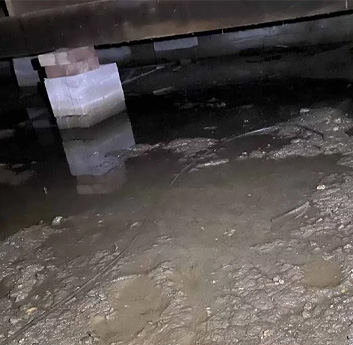
      Flooding a crawl space

      Wall Cracks

      Cracks along crawl space walls can signal foundational movement or water pressure damage. These issues may start small but can quickly escalate. Understanding the difference between cosmetic and structural wall cracks is key to protecting your home.

      cracks in crawl space foundation

      Floor Cracks

      If you’re noticing cracks in your interior floors, especially above your crawl space, it’s time to investigate. These can indicate shifting subflooring or foundation settlement and shouldn’t be ignored.
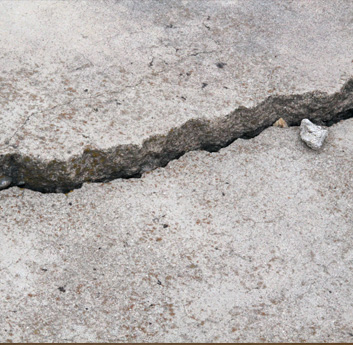
      crack in concrete floor

      Sagging Floors

      Bouncy, sagging floors? That’s often caused by excess moisture weakening support beams and floor joists beneath your home. Learn how crawl space structural repair can reverse this damage.
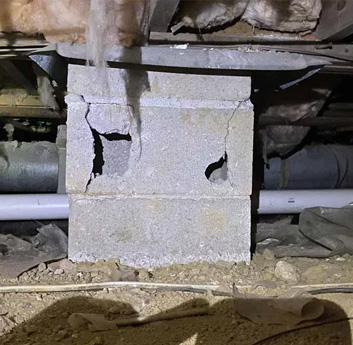
      viewing sagging floors above a crawl space

      Rotted Floor Joists

      When moisture seeps into your crawl space, untreated wood can deteriorate quickly. Rotted floor joists put the entire stability of your home at risk and require prompt reinforcement or replacement.
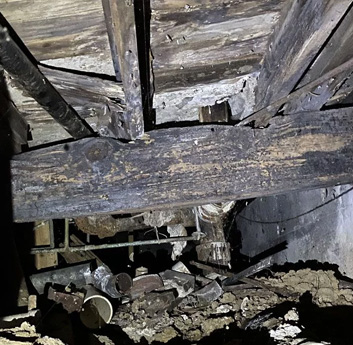
      viewing rotted floor joists from within a crawl space

      Musty Odors

      A musty smell coming from the crawl space is usually mold or mildew. These odors aren’t just unpleasant, they often indicate poor air circulation and elevated humidity levels that can spread allergens throughout your home.

      A man holding his nose to avoid the musty smell

      Condensation

      Seeing moisture on crawl space surfaces or HVAC ductwork? That’s condensation, which can feed mold, mildew, and wood decay. It also points to poor moisture control, which must be addressed to prevent long-term damage.
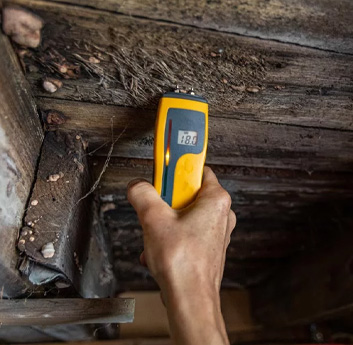
      measuring condensation

      High Humidity

      Excess humidity in your crawl space is a breeding ground for pests and fungi. It can also drive up energy bills. Installing a crawl space dehumidifier is a proactive solution to stabilize moisture levels.
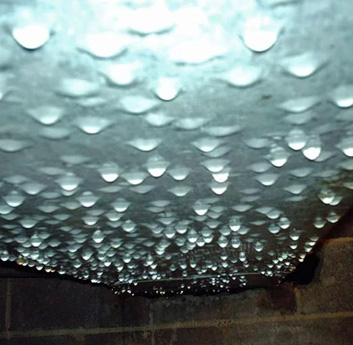
      condensation on a moisture wicking crawl space

      Mold & Mildew

      White fuzz or black spots on crawl space walls, insulation, or joists are signs of mold. Besides structural damage, mold in your crawl space can lead to serious health risks, especially for asthma or allergy sufferers.

      mold developing on floor joists in a crawl space

      Don’t Ignore the Signs

      Even if symptoms seem minor, from a slightly musty odor or one sagging floorboard, they can be indicators of deeper problems lurking in your crawl space. These issues only get worse with time. Addressing them early can prevent major structural repairs, protect your health, and save you thousands in long-term costs.

      Types of Crawl Spaces and Their Characteristics

      Not all crawl spaces are built the same. Understanding the type of crawl space beneath your home helps determine what problems you’re likely to face and what solutions are most appropriate. Here’s a breakdown of the most common types of crawl spaces and what makes each one unique:

      Vented Crawl Spaces

      Traditionally, many homes were built with open vents in the foundation walls to promote airflow and prevent moisture buildup. However, these spaces are now known to invite humidity, pests, and temperature fluctuations, making them more susceptible to mold and wood rot. While common in older homes, vented crawl spaces often require significant upgrades to meet modern building standards.

      Unvented Crawl Spaces

      Modern building science favors sealed or unvented crawl spaces. These are closed off from outside air and sealed with a vapor barrier to block moisture from entering. When combined with insulation and a dehumidifier, unvented crawl spaces can be dry, energy-efficient, and more protective of your home’s structure.

      Conditioned Crawl Spaces

      A conditioned crawl space is climate-controlled and integrated with the home’s HVAC system. This approach offers maximum protection against moisture and temperature extremes. It’s typically used in homes with high humidity environments or where energy efficiency is a top priority.

      Dirt-Floor Crawl Spaces

      Some older homes still have crawl spaces with exposed earth floors. These are especially vulnerable to moisture, pests, and structural deterioration. Dirt floors must be covered with a vapor barrier or encapsulated to prevent ground moisture from rising into the space.

      Concrete Crawl Spaces

      Some crawl spaces have a concrete slab floor for improved cleanliness and structural support. While more resistant to moisture than dirt, they can still develop cracks or allow water in from the perimeter. Proper drainage and sealing remain important in concrete crawl spaces.

      Crawl Space Repair Methods and How Does Crawl Space Repair Work

      The right crawl space repair method depends on the problems you’re facing, and more importantly, the underlying causes. At DFX, our approach isn’t about quick fixes; it’s about solving moisture, structural, and air quality issues at the source. Below are the most effective methods we use to restore your crawl space and protect your home for the long haul.
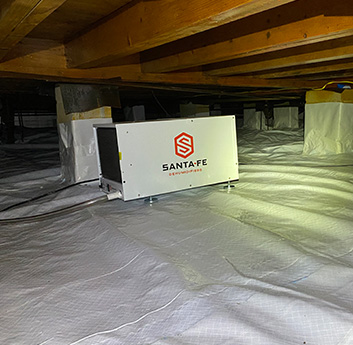
      a dehumidifier added to a crawl space

      Encapsulation

      Encapsulation involves sealing the crawl space with a thick vapor barrier applied to the ground, walls, and sometimes even the ceiling. This locks out moisture, improves indoor air quality, and prepares the space for additional upgrades like insulation or dehumidification. It’s one of the most comprehensive and long-lasting solutions for crawl space protection.

      Crawl Space Repair

      Structural repair can include installing new joists, replacing rotten subflooring, or reinforcing weakened beams. These fixes not only stabilize your floors above but also restore the overall integrity of your home’s framework. Depending on the severity of the damage, repair strategies may also involve removing old insulation or improving the drainage system.

      Waterproofing

      Waterproofing your crawl space goes beyond just blocking leaks. It often includes installing drainage matting, trenching for perimeter drains, sealing cracks, and routing water out via a sump pump. The goal is to make your crawl space completely resistant to ground and surface water intrusion.

      Sump Pumps

      A sump pump is installed in a basin at the lowest point of your crawl space to collect and pump out water. It’s a critical component for homes in areas with high water tables or frequent rain. Combined with proper grading and drainage, sump pumps prevent flooding and reduce long-term moisture problems.

      Mold Remediation

      Mold remediation begins with removing contaminated materials and applying fungicidal treatments. After removal, we make sure your crawl space stays mold-free by addressing the root cause: humidity and poor airflow. Remediation is often paired with encapsulation or dehumidification.

      New Vents & Doors

      Even in homes with sealed or encapsulated crawl spaces, a properly installed and durable crawl space door is essential. Replacing old, damaged, or loose-fitting access points helps protect the space from pests, moisture, and drafts while allowing for safe, secure maintenance access

      Dehumidifiers

      Even if you don’t have visible moisture, high humidity can destroy wood, attract pests, and fuel mold growth. A professional-grade crawl space dehumidifier maintains ideal humidity levels year-round and is especially effective in sealed or encapsulated spaces.

      Perimeter Drainage

      To protect your crawl space from water intrusion, we often install an interior or exterior perimeter drainage system. These systems collect groundwater and direct it away from your foundation. When combined with sump pumps and vapor barriers, they offer full moisture control.

      Radon Prevention

      Radon gas, which seeps up from the soil, can concentrate in crawl spaces and pose health risks. Encapsulation helps block radon entry, and we can install additional mitigation systems as needed. It’s a crucial upgrade for homes in radon-prone regions.

      Insulation

      Insulating your crawl space helps regulate indoor temperatures and can significantly reduce energy bills. In encapsulated spaces, we use foam board or spray insulation on walls rather than fiberglass batts between joists. This reduces condensation risk and improves energy efficiency.

      Why You Should Work with a Foundation Repair Expert

      While DIY videos might make crawl space repairs look simple, the reality is far more complex.
      Every crawl space has unique structural, moisture, and air quality challenges. Improper fixes can lead to trapped moisture, worsening mold, or even structural damage.

      A foundation repair expert has the tools, experience, and training to correctly identify the root of the problem and implement a solution that lasts.

      Working with a trusted professional ensures your crawl space is repaired safely, completely, and in a way that protects your home for the long term. In encapsulated spaces, we use foam board or spray insulation on walls rather than fiberglass batts between joists. This reduces condensation risk and improves energy efficiency.

      Crawl Space Repair Process: What to Expect

      If you’re hiring DFX to repair your crawl space, here’s what you can expect every step of the way:

      an engineer making a list

      1. Inspection & Diagnosis

      We begin with a free inspection. Our specialists check for water damage, mold, structural issues, and overall air quality. Using moisture meters, thermal imaging, and visual assessments, we diagnose the source of your crawl space problems.

      2. Repair Plan & Quote

      After identifying issues, we design a custom repair plan based on your crawl space’s unique needs. This includes materials, equipment, timeline, and pricing. No upsells, no pressure, just clear recommendations.

      3. Site Preparation

      Before work begins, we prepare your crawl space by removing debris, damaged insulation, or moldy materials. We may lay protective sheeting and clear the area for access.

      4. Execution

      This phase includes installing vapor barriers, sump pumps, drainage systems, dehumidifiers, or structural repairs. Our team works efficiently, minimizing disruption and maintaining a clean site.

      5. Post-Work Review

      Once the work is complete, we do a final walkthrough with you, explain the repairs, and ensure you’re satisfied. We also offer maintenance tips and warranty information so you can protect your investment.

      Wrapping Up the Process

      By the end of the crawl space repair process, your home will be better protected against moisture, mold, pests, and structural issues. More importantly, you’ll gain peace of mind knowing that your home’s foundation is strong and secure. At DFX, we aim to leave every homeowner with a cleaner, healthier, and more energy-efficient crawl space that stands the test of time. We also offer maintenance tips and warranty information so you can protect your investment.

      Understanding the cost of crawl space repair is essential for planning your next steps. While it may be tempting to look for a standard price, the reality is that crawl space repair costs vary widely based on the scope of work and the specific issues involved. Whether you’re dealing with structural repairs, moisture problems, or full encapsulation, each home requires a tailored solution.

      a family happily reading the costs of their repair

      What Influences the Cost of Crawl Space Repair

      Several factors contribute to the total cost of crawl space repair, including the size and accessibility of the space, the materials needed, and the extent of the damage. For example, minor repairs like reinforcing joists will cost less than a complete waterproofing and encapsulation system. Labor complexity, regional pricing, and additional upgrades such as dehumidifiers or sump pumps can also impact your final quote.

      Does Home Insurance or a Home Warranty Cover It?

      In most cases, home insurance does not cover crawl space repair unless the damage is caused by a sudden, covered peril like a plumbing leak or storm damage. Wear and tear or moisture buildup over time is typically considered the homeowner’s responsibility. Home warranties may include limited coverage, but it varies by provider. It’s always a good idea to check your policy or warranty terms before assuming you’re covered.

      How to Pay for Crawl Space Repair

      Even though crawl space repairs are often urgent, you don’t have to pay for everything upfront. Here are some common ways homeowners finance repairs:

      In-House Financing

      Many foundation repair companies offer flexible in-house financing plans. These allow you to break up the total cost into manageable monthly payments, sometimes with promotional interest rates.

      Home Improvement Loans

      Personal loans from banks, credit unions, or online lenders are another option. These don’t require home equity and are ideal for covering mid-sized repair projects with fixed repayment terms.

      Home Equity Loans or HELOCs

      If you have built up equity in your home, a home equity loan or line of credit (HELOC) can provide lower interest financing. Just be aware that these are secured by your home, so be sure the terms make sense for your financial situation.

      Credit Cards

      For smaller repairs, a credit card with a 0% introductory APR can be a short-term solution if paid off within the promotional period. Just be cautious of high interest rates afterward.

      Government or Non-Profit Programs

      In certain cases, local or federal programs may offer financial assistance for home repairs, especially if your home has been affected by a disaster or qualifies for energy efficiency improvements.

      Why Crawl Space Repair Is Worth It

      Crawl space repair is more than just a home improvement project, it’s a long-term investment in your home’s safety, value, and livability. By addressing the root causes of structural and moisture problems, you’re preventing larger, more expensive issues from developing. From better air quality and energy efficiency to reduced pest problems and stronger home resale value, crawl space repair delivers peace of mind and real returns.

      Getting a Crawl Space Repair Estimate

      Before committing to crawl space repairs, always get a detailed estimate. A good estimate should include:

      • A breakdown of repairs (e.g., drainage system, encapsulation, structural reinforcement).
      • Total cost and what it covers.
      • Timeline for the work.
      • Warranty details.

      Get 2–3 estimates to compare. Beware of bids that are much lower, they may signal corner-cutting. The highest bid isn’t always best either. Look for a fair price, a solid repair plan, and a reputable company (check reviews and references). With a clear estimate, you can plan your budget confidently.

      Buying or Selling a Home with Crawl Space Issues

      Buying a House with Crawl Space Issues: Should You or Should You Not?

      Finding out a house has crawl space problems can be a concern for buyers. Should you walk away or see it as an opportunity? Here’s what to consider:

      A for sale sign in a yard

      Severity: Always get a professional inspection. Minor signs like elevated humidity or slight sagging may not be dealbreakers, but extensive mold, structural decay, or standing water require more costly repairs. Request a written repair estimate to fully understand the scope.

      Negotiation: Crawl space problems often scare off buyers, which can lower the home’s asking price. Use this as leverage to negotiate repairs or a better deal. The discount should cover the cost of repairs—and compensate you for the hassle.

      Risks: Repairs may uncover deeper issues. Some lenders may hesitate to approve loans for homes with significant structural or moisture concerns, so make sure your financing is secure.

      Should you buy? If the price is right and you’re ready to handle the repairs, it can be a smart investment. Just be sure you’re fully informed and have the right pros lined up. If the issues feel overwhelming or aren’t being disclosed clearly, it may be safer to walk away.

      Buying a House with Previous Crawl Space Repairs

      What if the issues have already been fixed? This can actually be a good thing, if the repairs were done properly. Here’s what to check:

      Documentation: Ask the seller for proof of repairs, including who did the work, what methods were used, and whether the warranty is transferable. Crawl space repair warranties are often a major asset.

      Inspection: Even if it’s been repaired, still have a professional take a look. They’ll confirm the repairs are holding and check for new problems. Sealed or encapsulated crawl spaces should show no signs of moisture or deterioration.

      Value & trust: Some buyers worry about homes with repair history, but fully repaired and documented crawl space work is a positive. It shows the issue was addressed, not ignored.

      Should you buy? If repairs were done right and include a warranty, it’s usually a safe bet. If not, or if problems have returned, proceed with caution.

      Selling a Home with Crawl Space Repairs

      If your home has crawl space issues, fixing them before listing is almost always a smart move. Homes with unresolved problems tend to sit longer on the market and sell for less.

      Once repairs are done:

      • Disclose everything: Be transparent about past issues and provide repair documentation. It builds buyer trust.
      • Share the warranty: A transferable warranty shows confidence in the work and can help close the sale.
      • Market the repair: Use the repair as a selling point—buyers will appreciate that the work is done and backed by pros.

      How Crawl Space Repair Impacts Home Value

      Crawl space repair doesn’t just fix structural risks, it protects and can even increase your home’s value:

      • Buyers are more likely to make strong offers on homes with clean, dry, well-maintained crawl spaces.
      • Lenders feel more confident approving loans when structural risks have been addressed.
      • Appraisers factor in completed repairs when determining home value.
      • A repaired crawl space adds peace of mind, and fewer surprises during inspection makes for smoother closings.

      In short, crawl space issues may sound scary, but with proper repairs, documentation, and expert guidance, they can be handled in a way that protects your investment and your home. Fixing crawl space issues doesn’t just make your home safer, it also makes it more appealing to future buyers. Encapsulation, waterproofing, and structural repair can all increase perceived value, reduce time on the market, and prevent surprises during a buyer’s inspection. If you’re planning to sell in the near future, investing in crawl space repair now can lead to a higher return when it counts most.

      Preventative Measures to Avoid Crawl Space Problems

      Crawl space issues are easier, and less expensive, to prevent than to fix. Here are some key maintenance and prevention strategies to help keep your crawl space dry, stable, and problem-free:
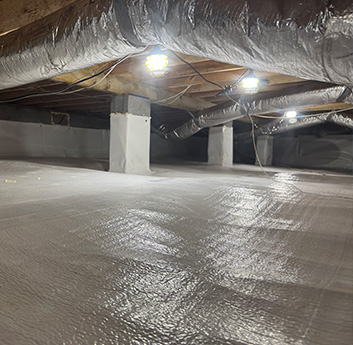
      a remodeled and moisture protected crawl space

      • Inspect your crawl space regularly for signs of moisture, pests, or structural damage.

      • Clean gutters and extend downspouts to direct rainwater away from your foundation.

      • Ensure proper grading around your home so water drains away from the crawl space.

      • Seal air leaks and gaps to block humid air and pests from entering.

      • Use a vapor barrier to prevent ground moisture from seeping into the space.

      • Install a dehumidifier to control humidity levels, especially in sealed or encapsulated spaces.

      • Check for plumbing leaks under the home that may cause hidden moisture problems.

      • Schedule annual inspections with a crawl space or foundation expert to catch early warning signs.

      • Avoid storing items in the crawl space that can trap moisture or attract pests.

      • Keep vents and access doors in good condition to protect against weather and wildlife.

      Implementing these preventative measures can significantly extend the life of your crawl space and help you avoid costly repairs down the road.

      Useful Crawl Space Repair Information Every Homeowner Should Know

      Understanding the details of crawl space issues and repair options helps homeowners make informed, confident decisions. Below, we’ve grouped our most valuable insights into easy-to-scan categories so you can quickly find the answers and guidance you need.

      Crawl Space Encapsulation & Vapor Barrier Installation Insights

      Crawl space encapsulation is one of the most effective long-term solutions for preventing moisture damage, improving energy efficiency, and protecting your foundation. Homeowners often have questions about when encapsulation is necessary, how it compares to vapor barriers, and whether it’s worth the investment.

      new encapsulation vapor barrier installed by DFX

      What Is Crawl Space Encapsulation—and Why Does It Matter?

      Encapsulation involves sealing off your crawl space with a vapor barrier to create a controlled environment. This process keeps moisture out, reduces humidity, and prevents mold, wood rot, and pests from taking hold. If you’re seeing signs of water intrusion or high humidity, learning about crawl space repair and encapsulation options can help you determine if it’s the right fix.

      Is Crawl Space Encapsulation Necessary for Your Home?

      Not every crawl space needs full encapsulation, but many benefit from it, especially in humid climates. If you’re wondering whether your home is a good candidate, it’s important to weigh the signs: moisture, musty odors, high energy bills, or ongoing pest problems. A guide on whether encapsulation is necessary can help you make an informed decision.

      Crawl Space Encapsulation vs. Vapor Barriers: What’s the Difference?

      Some homeowners confuse vapor barriers with full encapsulation. A vapor barrier covers just the floor, while encapsulation seals the entire space—including walls and sometimes ceilings. Understanding the difference helps ensure you’re choosing the solution that matches your home’s specific needs.

      Is Crawl Space Encapsulation Smart Investment?

      Encapsulation isn’t cheap, but it pays off. In addition to lowering heating and cooling costs, it boosts home resale value and reduces long-term maintenance. If you’re thinking long term, understanding whether crawl space encapsulation is a good investment is worth exploring.

      Common Questions from Homeowners about Crawl Space Encapsulation

      Still unsure about the process? You’re not alone. Many homeowners have similar concerns about costs, maintenance, and installation steps. A resource that answers common encapsulation questions can help ease your mind and guide your next steps.

      Crawl Space Encapsulation and Your Foundation’s Health

      Beyond comfort and air quality, encapsulation plays a major role in preserving your foundation. Excess moisture leads to soil expansion and shifting, which compromises structural stability. By learning how encapsulation protects your home’s foundation, you can make proactive decisions that prevent bigger issues down the line.

      When to Install a Vapor Barrier in the Crawl Space (and Avoid Mistakes)

      If you’re not ready for full encapsulation, installing a vapor barrier is often the first step. But it needs to be done right. Knowing what a vapor barrier does, when to install one, and what mistakes to avoid can save you time, money, and frustration.

      Crawl Space Moisture, Humidity & Waterproofing Problems Insights

      Controlling moisture is critical to crawl space health. Without proper waterproofing, crawl spaces become breeding grounds for mold, wood rot, and pest infestations, all of which can compromise your home’s structure and indoor air quality.
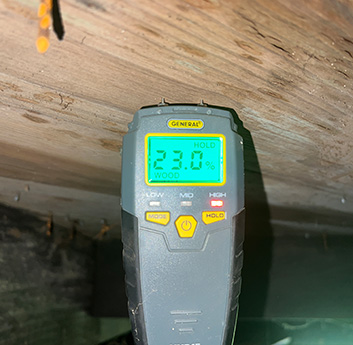
      Using a measure to solve a moisture issue in a crawl space

      Why Humidity in the Crawl Space Is a Problem

      High humidity in a crawl space creates the perfect environment for decay and mold growth. It also affects your entire home, causing musty odors, warped floors, and increased energy costs. Understanding what causes crawl space humidity, and how to control it, is the first step in creating a healthier home environment.

      Crawl Space Dehumidifiers: When and Why You Need One

      A crawl space dehumidifier is a powerful tool for moisture control, especially in sealed or encapsulated spaces. But not all homes need one. Learn how to determine if a dehumidifier is necessary and how to choose the right model for your space.

      Crawl Space Waterproofing Strategies That Work

      Waterproofing a crawl space isn’t about a single fix, it’s a system. Solutions like perimeter drainage, sump pumps, vapor barriers, and grading adjustments all work together to keep water out. If you’re seeing signs of water intrusion, waterproofing is one of the most important investments you can make.

      What to Do About Water in Your Crawl Space

      If you’ve noticed standing water or damp ground in your crawl space, you’re not alone. Learn the common causes, like poor drainage or plumbing leaks, and what steps to take to stop the damage before it spreads.

      Protecting Your Crawl Space from Moisture and Mold

      A damp crawl space doesn’t just affect the area below your home, it can create mold issues that spread to living spaces. Discover the most effective waterproofing strategies to eliminate moisture and protect your family’s health.

      Crawl Space Humidity and Foundation Risk

      Moisture doesn’t just rot wood, it also affects your foundation. High crawl space humidity can cause shifting soil, structural instability, and long-term foundation damage. Understanding the link between humidity and your home’s structural integrity is key to long-term stability.

      Do You Need A Crawl Space Sump?

      If your crawl space regularly collects water, a sump pump may be essential. Find out how sump pumps work, signs you might need one, and how they fit into a complete waterproofing strategy.

      Crawl Space Structural Repairs & Insulation Insights

      When it comes to your crawl space, issues like sagging floors, wall cracks, or rotting wood usually point to structural trouble underneath. Structural repairs are essential for restoring safety and stability, while proper insulation enhances comfort and energy savings. If you’re seeing signs of damage, it’s important to act early and understand which solutions work best.

      A crawl space structural issue as a floor joist cracks

      When Crawl Space Repairs Are Needed — Making the Right Choice for Your Home

      Not every crack or bounce in the floor means disaster, but they should always be checked out. Crawl space problems like moisture, poor construction, or settling soil can all contribute to structural issues. Knowing how to tell if your crawl space needs repair helps you take action before small problems grow into major damage.

      Effective Crawl Space Repair Strategies

      Repairing a crawl space often requires a combination of methods: replacing floor joists, leveling support piers, reinforcing beams, and addressing moisture. Effective crawl space repair solutions depend on the root cause, and an experienced contractor can identify what combination of structural and moisture control will provide lasting protection.

      Understanding Crawl Space Repair Costs

      Crawl space repair costs vary widely depending on the issue, size of the space, and materials used. Some jobs may require full waterproofing and encapsulation, while others involve localized fixes. If you’re budgeting for repairs, it’s helpful to know what to expect when reviewing crawl space repair pricing.

      Recognizing the Warning Signs of Crawl Space Problems

      Floors that feel soft, sag or squeak are some of the earliest signs that your crawl space may be compromised. Other red flags include mold, damp insulation, and cracks in interior walls. Learning how to spot these symptoms early can help you avoid more extensive repairs down the line.

      Crawl Space Wall Cracks and Structural Damage

      Cracks along your interior or exterior walls might be a symptom of shifting crawl space supports or moisture damage below. Understanding what wall cracks mean can reveal hidden crawl space issues and prevent further structural movement.

      Crawl Space Insulating for Efficiency

      Insulating your crawl space helps regulate indoor temperatures and reduce energy bills. But insulation must follow proper repair. Explore which crawl space insulation materials are best, and why sealing and fixing moisture issues first is key to long-term performance.

      Crawl Space Repair Before Insulation

      Adding insulation to a damaged crawl space is like putting a bandage over a wound. You must address the root problems—such as rotted joists, high humidity, or poor drainage—before insulating. Learn why repairing first leads to better insulation results.

      Comparing Crawl Space Insulation Types: What’s the Best Type for Your Space

      Not all insulation is created equal. Foam board and spray foam offer excellent moisture resistance and energy efficiency, while fiberglass may trap moisture if used improperly. Comparing crawl space insulation materials helps you make the right choice for your home.

      Crawl Space Airflow, Ventilation & Mold Safety Insights

      Crawl spaces are deeply affected by air movement and ventilation design. While older building practices favored open vents, modern research shows that sealing and managing airflow is a better way to control moisture, reduce mold growth, and improve indoor air quality.
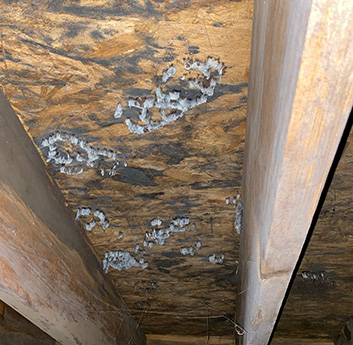
      a crawl space with poor ventilation issues that is starting to mold and will cause breathing issues

      Crawl Space Ventilation Strategies That Work (and Don’t)

      Today, crawl space ventilation requires a more nuanced approach. Rather than relying on traditional open vents, which invite outside moisture, homeowners are turning to sealed crawl spaces combined with dehumidifiers or controlled air exchange. Knowing which crawl space ventilation strategies work, and which don’t, can save you from costly repairs and inefficiencies.

      Are Crawl Space Vents Still a Good Idea in 2025?

      If you’re wondering whether crawl space vents are still beneficial, the short answer is: probably not. Modern building codes often recommend sealing crawl spaces instead. Learn why crawl space vents may be outdated, and what the best practices are in 2025.

      Mold and Health Risks in the Crawl Space

      A neglected crawl space can become a haven for mold, and the consequences don’t stop there. Mold spores can circulate into your home, affecting respiratory health and aggravating allergies. Understanding how crawl space issues affect your health and air quality helps homeowners prioritize repair and remediation.

      Crawl Space Mold Remediation: What You Need to Know

      Mold doesn’t go away on its own. It requires safe removal, moisture correction, and preventative strategies. If you’ve spotted mold or musty odors, crawl space mold remediation offers solutions to eliminate it and keep it from returning.

      Get a Free Crawl Space Inspection Today

      If you suspect crawl space issues in your home, don’t wait to act. DFX Foundation & Waterproofing Experts offers free, professional evaluations to homeowners in Memphis, Nashville, Chattanooga, Little Rock, and nearby areas. Our experienced team will thoroughly inspect your crawl space, identify the root causes, and recommend custom solutions that are right for your home.

      Choose Expertise. Choose Integrity. Choose DFX.

      At DFX, we don’t believe in high-pressure sales tactics, just honest answers and reliable repairs. From structural reinforcement and waterproofing to full encapsulation and moisture control, our team provides long-term solutions backed by experience, ethics, and engineering insight.

      When you work with DFX, you’re not just getting repairs, you’re gaining peace of mind and a team committed to protecting your home for years to come.

      Schedule your free evaluation today and discover why homeowners across the region trust DFX to safeguard their crawl spaces and their homes.

      Top Crawl Space Repair Questions

      • What is crawl space encapsulation?

        Encapsulation is the process of sealing your crawl space to block out moisture, pests, and air leaks.

      • How much does crawl space encapsulation cost?

         It depends on the size and condition of your crawl space.

      • Is crawl space encapsulation worth it?

        Absolutely. It improves energy efficiency, indoor air quality, and home value.

      • How to automatically trigger builds on DevStack?

        Lorem ipsum dolor sit amet, consetetur sadipscing elitr, sed diam nonumy eirmod tempor invidunt ut labore et dolore magna aliquyam erat, sed diam voluptua. At vero eos et accusam et justo duo dolores et ea rebum.
      • Does encapsulation stop mold or rodents?

        Yes. Encapsulation deprives mold of moisture and blocks rodent access.

      • Do I need a permit to encapsulate my crawl space?

        Often yes, depending on your municipality.

      • Can I DIY crawl space encapsulation?

        It’s possible, but hiring a pro ensures it’s done right and often includes a warranty.

      • What are the downsides to encapsulation?

        If done poorly or without moisture control, it can trap humidity and worsen problems.

      • How much does it cost to waterproof a crawl space?

        Costs depend on drainage and sealing needs.

      • Is water in a crawl space serious?

        Yes. Even small amounts can cause major structural and air quality issues over time.

      • Will a crawl space dry out on its own?

        Rarely. Without drainage or dehumidification, moisture usually persists.

      • Do I need a dehumidifier in my crawl space?

        If your humidity levels are consistently above 60%, yes.

      • Where should a dehumidifier be placed?

        As centrally as possible, with good airflow and drainage access.

      • Do dehumidifiers use a lot of electricity?

        Crawl space models are efficient and often cost less than $20/month to run.

      • What is a vapor barrier in a crawl space?

        A thick plastic sheeting that prevents ground moisture from rising into the space.

      • Is it worth installing a vapor barrier in a crawl space?

        Yes. Vapor barriers are essential to keep your crawl space dry and mold-free.

      • How long do vapor barriers last?

        Typically 10–20 years when professionally installed.

      • What is a sump pump and how does it work?

        It collects water in a basin and pumps it out and away from your home.

      • How much does sump pump installation cost?

        Installation costs depend on system complexity.

      • What if my sump pump fails?

        Backup systems and regular maintenance are key to preventing water damage.


      DFX Foundation and Waterproofing Experts Logo

      Schedule Your Free Evaluation with Our Consultants Today!

      Schedule Free Evaluation

      Table of Contents


      Other Blogs You May Be Interested In
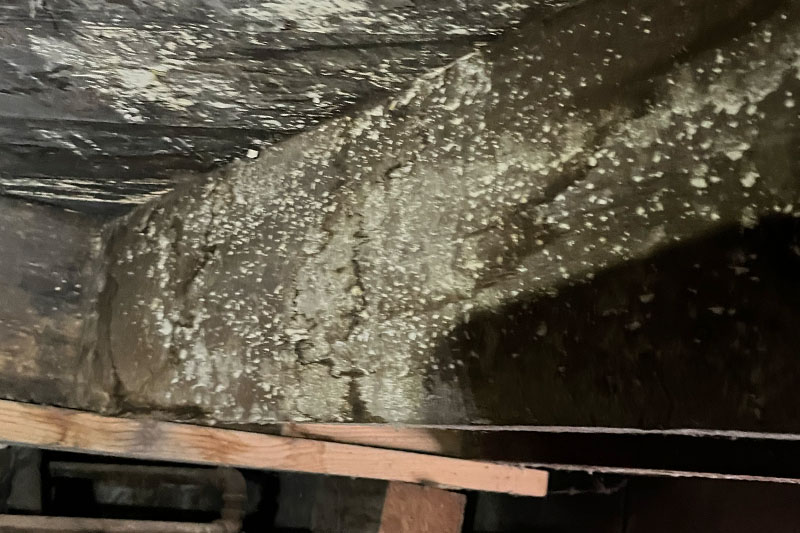

      Continue reading

      Crawl Space Repair Costs: What to Expect

      Your crawl space plays a crucial role in supporting your home’s structure and indoor air quality. When it’s compromised, the impact can range from uneven floors to mold, rot, and even structural failure. At DFX Foundation & Waterproofing Experts, we’re often asked: How much does crawl space repair typically cost? The answer depends on many factors, but understanding those variables can help you plan ahead and make informed decisions.

      In this guide, we’ll explore crawl space repair pricing, what goes into the cost of crawl space repair, and how to get a reliable crawl space repair estimate.

      How Much Does Crawl Space Repair Typically Cost?

      Crawl space repair costs will depend on the severity of the damage and the type of repair services needed. Minor fixes like sealing small cracks or installing a vapor barrier may cost on the lower end, while structural repairs involving piers, joist replacement, or full encapsulation fall on the higher end of the scale.

      At DFX, we believe in transparent crawl space repair pricing. That’s why we offer free inspections and detailed repair estimates before we begin any work.

      What Factors Influence Crawl Space Repair Costs?

      Several key elements influence the cost of crawl space repair. Understanding these factors can help homeowners anticipate pricing and make informed decisions.

      homes in the dfx service area

      Extent of Damage

      The severity of the damage is one of the biggest drivers of cost. Minor issues like small cracks or isolated moisture spots can often be repaired quickly and inexpensively. However, extensive damage such as wood rot, mold infestation, or structural sagging will require more labor, materials, and specialized solutions. The more widespread the problem, the higher the overall crawl space repair costs.

      Type of Repair Needed

      Different problems call for different solutions, and each comes with its own price tag. For example, waterproofing and vapor barrier installation are generally less expensive than structural repairs like floor joist replacement or pier installation. If your crawl space requires a combination of repairs, such as mold remediation, encapsulation, and drainage, improvements costs will add up accordingly. The scope of the work directly influences crawl space repair pricing.

      Home Size and Layout

      The size of your home and the layout of the crawl space also affect repair costs. Larger homes naturally have more area to inspect, repair, and protect. Crawl spaces with complex layouts or tight, low-clearance areas can slow down crews and increase labor time. The more square footage and physical challenges involved, the higher the potential cost of crawl space repair.

      Accessibility

      Easy access to the crawl space makes repairs faster and more affordable. However, if your crawl space has limited entry points, tight corners, or is obstructed by HVAC systems, plumbing, or ductwork, the repair process becomes more complicated. Additional labor, time, and equipment may be required, raising the overall crawl space repair estimate.

      Local Conditions

      Soil composition, groundwater levels, humidity, and local building codes all influence repair complexity and pricing. For example, homes in humid climates may need additional moisture control systems, while regions with expansive clay soil might require extra structural support. Local regulations can also dictate materials or methods, affecting the final crawl space repair pricing in your area.

      Are There Different Types of Crawl Space Repairs That Affect Pricing?

      Yes. Different crawl space repair services come with different costs, depending on the materials used, the labor involved, and the severity of the issue. Here’s a breakdown of common repair types and how they influence crawl space repair pricing:

      Encapsulation

      Encapsulation involves sealing the entire crawl space with a heavy-duty vapor barrier, insulating the walls, and often adding a dehumidifier to control moisture levels. This creates a dry, controlled environment that prevents mold growth and wood rot while improving energy efficiency. The cost for encapsulation will depend on crawl space size, materials, and system complexity.

      an encapsulated crawl space

      Structural Repairs

      If your crawl space has sagging floors, cracked beams, or failing joists, structural repairs may be necessary to restore stability. This could involve replacing damaged wood, installing additional supports, or using steel piers for reinforcement. These repairs are more labor-intensive and costs depend on the extent of the damage and accessibility.

      Crawl space on cinder blocks

      Waterproofing

      Waterproofing solutions like interior French drains, sump pumps, and vapor barriers are used to keep water out of the crawl space. These systems help prevent future moisture problems and foundation damage. Costs can go higher if combined with drainage upgrades or encapsulation.

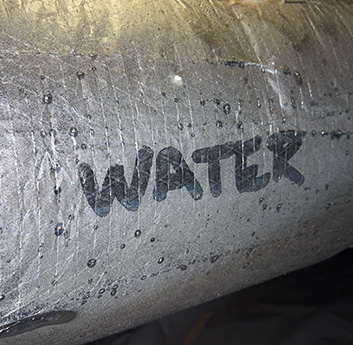
      the word water written in condensation

      Mold Remediation

      Crawl spaces with high humidity or standing water often develop mold, which can affect indoor air quality and pose health risks. Mold remediation involves removing contaminated materials, cleaning surfaces, and treating the space with anti-fungal solutions and costs will depend on the size of the crawl space and the extent of the mold.

      Mold remediation in a crawl space

      Pest Control and Insulation

      Damaged or missing insulation can lead to heat loss and increased energy bills, while pests like rodents and insects can destroy wood and wiring. Repairing or replacing insulation, combined with pest control services, typically adds several hundred to a few thousand dollars to your overall crawl space repair estimate.

      Bugs have infiltrated a crawl space

      Each home’s situation is different, and costs can vary widely. That’s why a professional inspection from a trusted team like DFX Foundation & Waterproofing Experts is essential to determine the most effective and cost-efficient solution for your home.

      Is Crawl Space Repair Worth the Investment?

      Absolutely. Addressing crawl space issues early prevents:

      • Structural Damage to floors, beams, and supports

      • Poor Indoor Air Quality due to mold or mildew

      • Increased Energy Bills from moisture-compromised insulation

      • Lower Property Value due to visible damage or inspection issues

      A properly repaired crawl space protects your home’s value and longevity. Many homeowners find that timely repairs also save money long-term by preventing more severe and expensive problems down the road.

      Are There Ways to Reduce Crawl Space Repair Costs?

      Absolutely. There are several smart strategies homeowners can use to keep crawl space repair costs manageable without sacrificing quality. Here’s how to save money while still protecting your home:

      A happy couple reading their cost savings

      Schedule Regular Inspections

      One of the most effective ways to reduce crawl space repair costs is through routine inspections. Catching minor issues early like small leaks, minor mold, or insulation damage can prevent them from turning into expensive structural problems. A quick fix now is always more affordable than a major overhaul later.

      Bundle Services

      Bundling repair services can save money on labor and materials when multiple repairs are needed, such as waterproofing, insulation replacement, and vapor barrier installation. At DFX, we often recommend integrated solutions that solve multiple issues at once, which results in more efficient work and cost savings for the homeowner.

      Use Financing Options

      At DFX, we believe every homeowner deserves access to quality crawl space repair services, regardless of budget. That’s why we offer affordable financing plans starting at just $79/month. Flexible payment options make it easier to address problems now, before they escalate, without straining your finances.

      Act Fast

      Delaying repairs almost always leads to higher costs. What starts as a simple moisture issue can evolve into wood rot, structural sagging, or widespread mold. Taking action quickly not only minimizes damage but also keeps repair pricing on the lower end of the scale.

      We also offer free crawl space repair estimates so you can understand your options upfront and make an informed, budget-friendly decision. DFX Foundation & Waterproofing Experts is committed to providing transparent pricing and cost-effective solutions tailored to your home’s needs.

      What Are the Risks of Delaying Crawl Space Repairs?

      Putting off crawl space repairs can lead to:

      • Worsening Structural Damage: Sagging floors and weakened supports don’t fix themselves.

      • Increased Moisture and Mold: A damp crawl space creates the perfect environment for black mold and mildew.

      • Pest Infestations: Rodents and insects thrive in moist, unsealed spaces.

      • Higher Future Costs: The longer you wait, the more complex and expensive the repairs become.

      a happy family of three enjoying the security of their home

      Delaying repair not only threatens your home’s structure but also puts your family’s health at risk due to poor air quality.

      Trust DFX for Transparent Crawl Space Repair Pricing

      At DFX Foundation & Waterproofing Experts, we provide custom solutions and transparent pricing on all crawl space repair services. Whether you’re dealing with mold, water intrusion, or structural issues, we take the time to assess the damage and provide a detailed crawl space repair estimate, so there are no surprises.

      Why Homeowners Choose DFX:

      • Free, No-Obligation Estimates

      • Affordable Monthly Financing

      • Experienced in Local Soil & Climate Conditions

      • Comprehensive Repair Services from One Trusted Team

      Get a Free Crawl Space Repair Estimate Today

      Don’t wait until the damage spreads. If you’re concerned about your crawl space, let our team provide a free inspection and repair estimate tailored to your home’s unique needs.

      Contact DFX Foundation & Waterproofing Experts today and take the first step toward a healthier, stronger home.


      DFX Foundation and Waterproofing Experts Logo

      Schedule Your Free Evaluation with Our Consultants Today!

      Schedule Free Evaluation


      Other Blogs You May Be Interested In
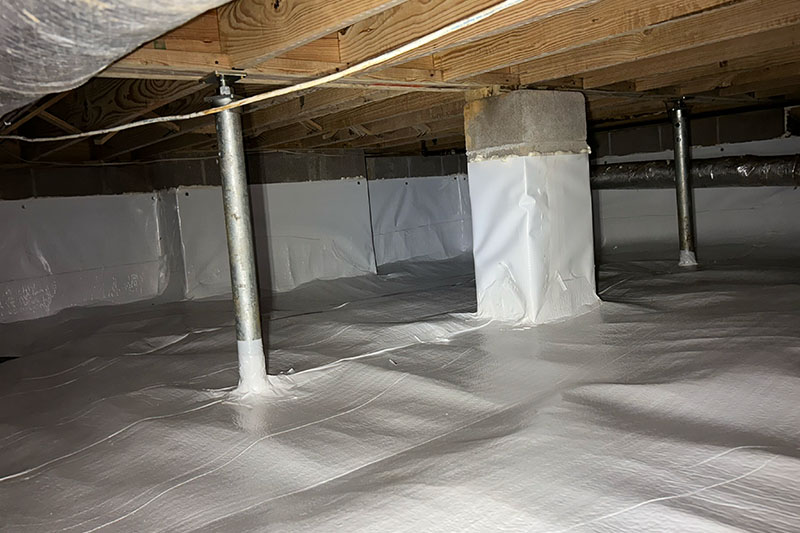

      Continue reading